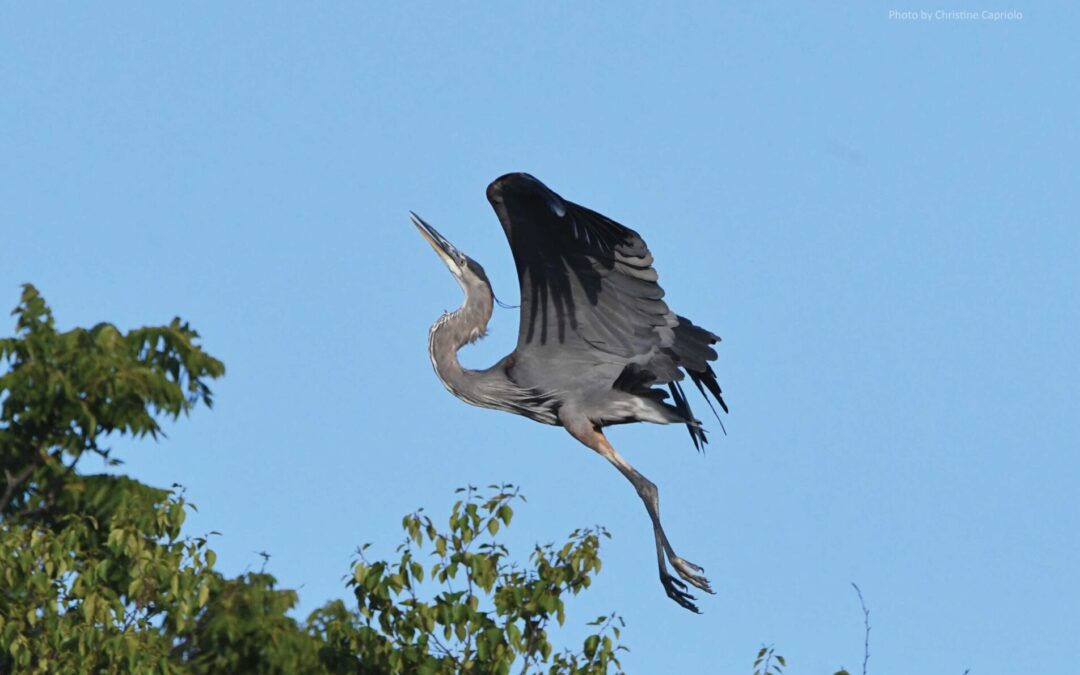
There were days this summer when photographers’ cars lined Park Road and East Idaho Street from dawn until dusk: birders have a way of spreading the word about rare sightings. Their binoculars and cameras fitted out with amazingly long lenses scanned the shoreline and two islands of the lagoon. Some rare, feathered travelers had decided on an extended stay in Humboldt Park.
And then there were the times on late evenings August and September when fox kits could be heard and seen tangling with one another in the shadows near Montana Street, looping around one another, teeth showing, until their vixen (female fox) called out to break it up.
Even though it is an Urban Park, over the years, I’ve seen deer, foxes, coyotes, many raccoons, a skunk and of course the squirrels and muskrats.
Humboldt Park Friends includes wildlife in our stewardship pledge. This year we have provided educational events on raptors, migrating birds, and bats. Our social media includes updates on birds and cautions readers about disturbing habitat, particularly for amphibians. Our new pollinator garden supports birds and insects; our ongoing lagoon restoration creates health habitat for fish, birds, muskrats, turtles, and frogs. The 150 trees we have planted provide homes for birds and mammals alike. And almost every day, our volunteers pick up litter from our walkways, gutters, and lawns to reduce the likelihood of it contaminating our lagoon or choking the wildlife.
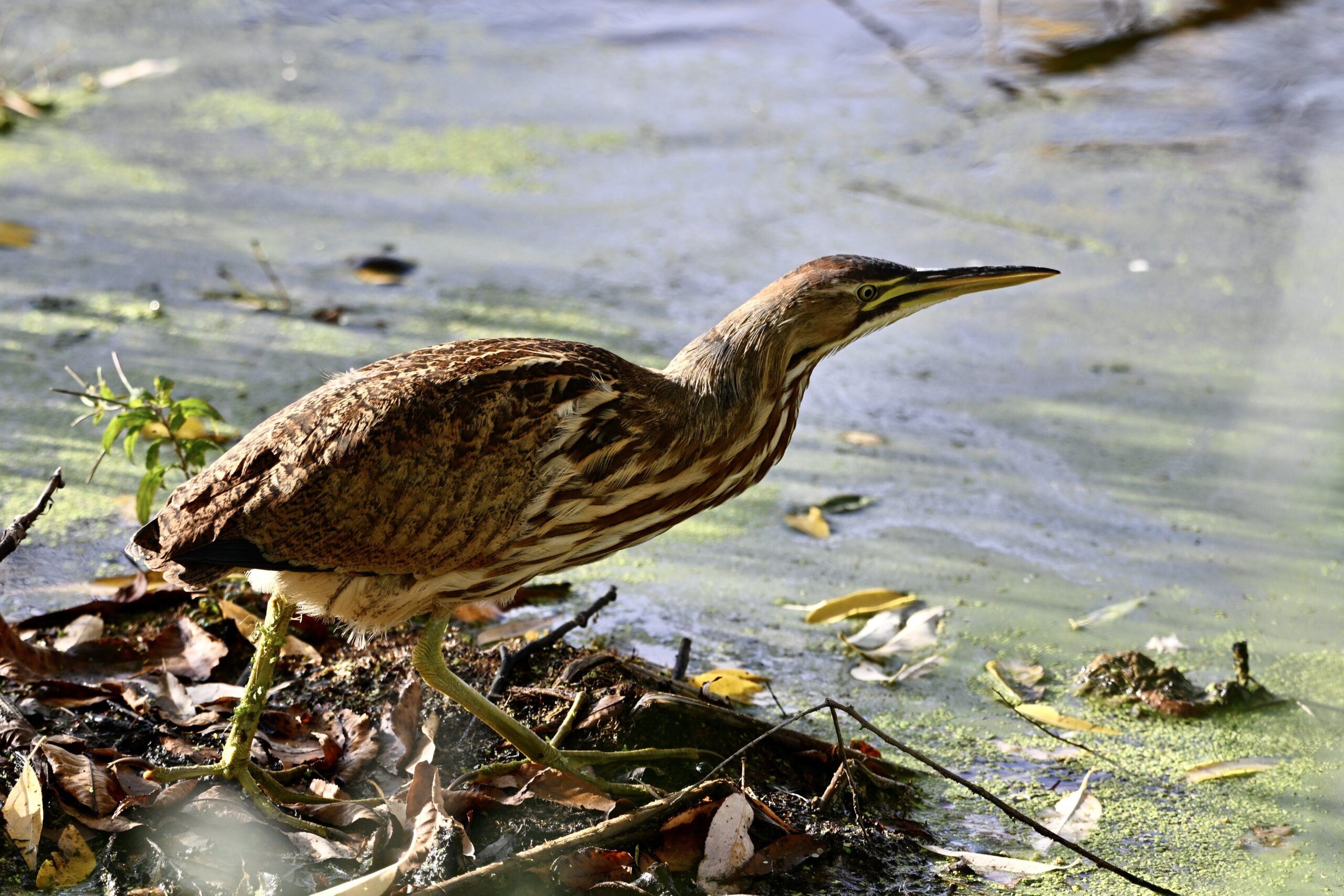
This fall we were graced with a 19-day visit by an American Bittern, which attracted the attention of many bird photographers from other parts of the state. The lagoon seemed to have a bumper crop of frogs this year which the Bittern feasted on.
Our interactions with nature and the impact of humans on our environment were the significant contributions that Alexander von Humboldt made in science. Over 200 years ago, he pioneered this understanding that human interactions preserve and advance healthy environments or limit and contaminate them. In the spirit of his foundational work, Humboldt Park Friends invite you to join us in these efforts as volunteers, advocates, and donors. Please make a year-end gift today.
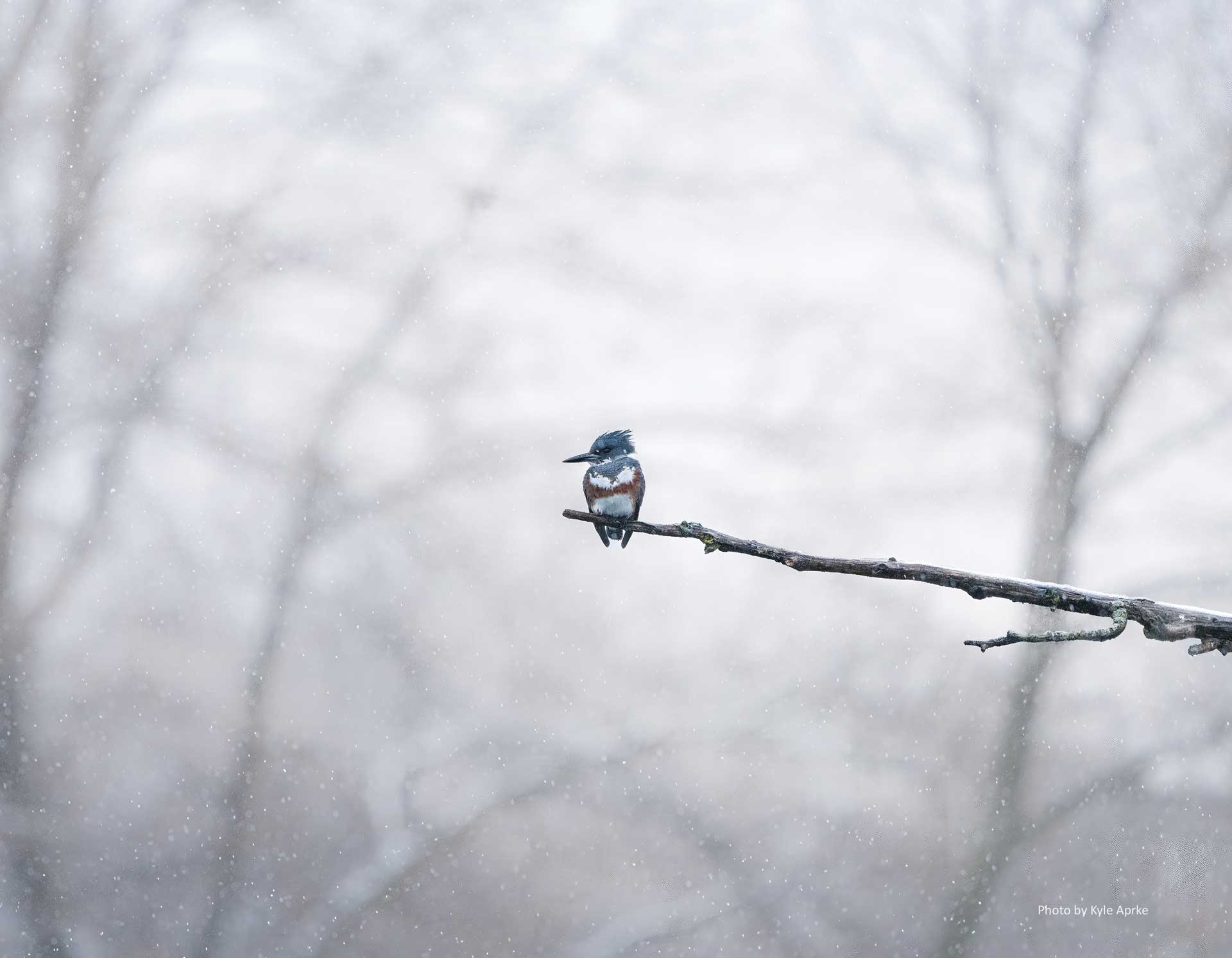
Humboldt Park is a shining example of wildlife benefiting from every inch of green space we give. The park experiences heavy foot and car traffic, yet wildlife like turtles, wading birds, and small mammals thrive due to the park’s wild and natural spaces. By continuing our nature-minded efforts (lagoon restoration, pollinator garden, and tree program), we are proving that a mid-sized urban park can have an oversized positive effect on wildlife populations.
Feature image by Christine Capriolo